
A new hire waiting three days for a laptop, a remote employee locked out of company data on an unmanaged device, a help desk fielding the same endpoint issue across forty machines – end user computing quietly breaks down when devices, access and security aren’t managed as one system. OTS designs and manages end user computing environments that keep every employee productive and secure, in the office, remote, or in between.
OEM Partners
Cities Delivered
Clients Served
NOC Support

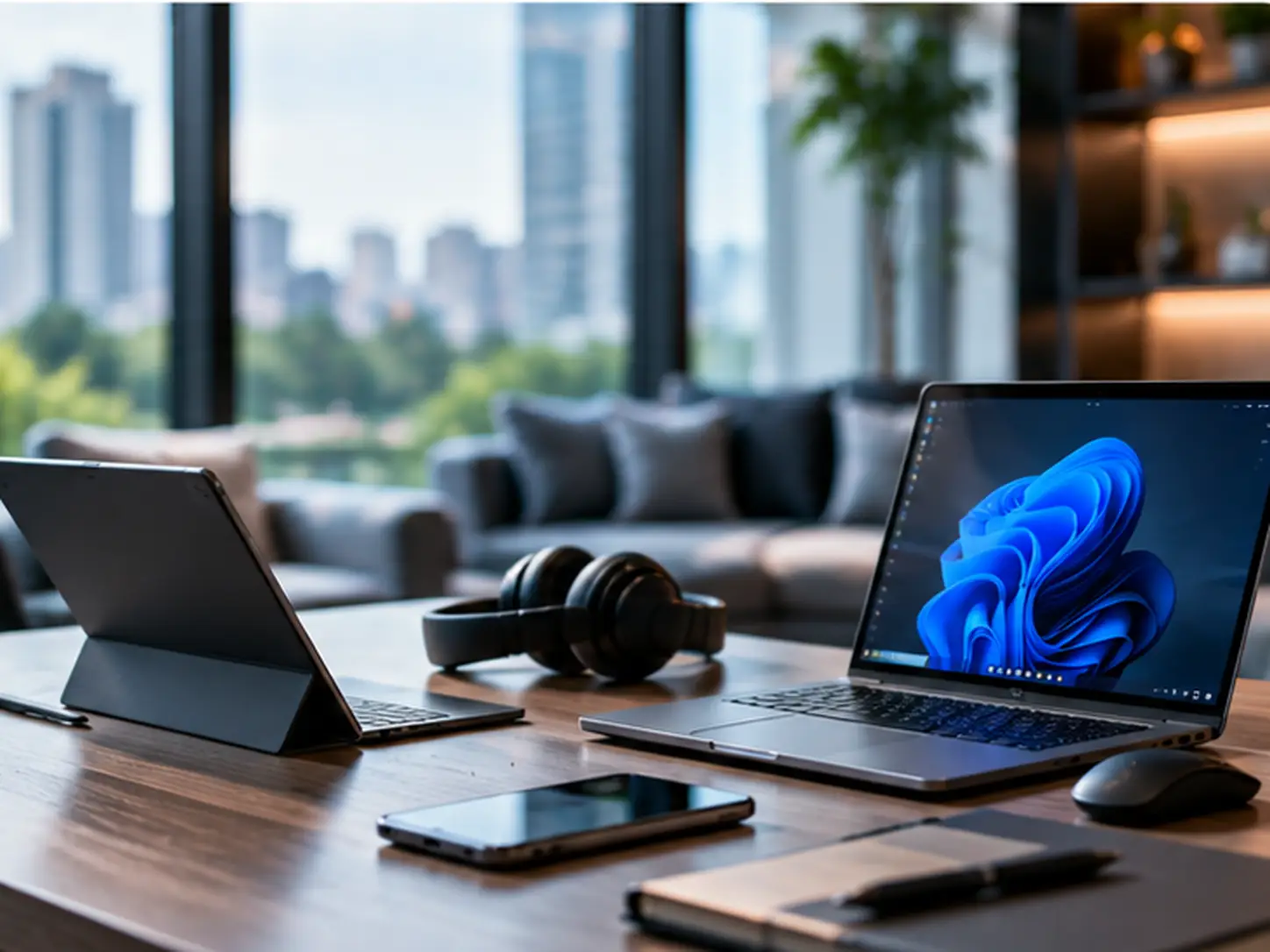
For most employees, the workplace is whatever device is in front of them – a laptop at a desk, a tablet on the move, a virtual desktop logged into from home. End user computing covers everything that makes that device experience work: the hardware itself, how it’s provisioned and secured, and how consistently IT can manage it at scale.
OTS designs and manages end user computing environments end-to-end – hardware sourced through 75+ OEM partners, virtual desktop and mobile device management for distributed teams, and endpoint security built in from day one. It’s end user computing built around how people actually work today, not a one-time hardware rollout.
The end user computing problems that cost businesses the most time rarely look dramatic – they show up as friction, one device at a time:
New hires waiting days for a properly configured laptop or desktop.
Different builds, software versions and security postures across the fleet.
Employees working from personal or unmanaged devices without secure access to company systems.
Devices connecting to company data without consistent security controls in place.
IT tracking hardware, licenses and support requests across spreadsheets and ad hoc records.
The same categories of issues recurring across dozens or hundreds of endpoints.
A structured six-stage process runs behind every EUC engagement, from a single office rollout to a fully distributed workforce.
Review current devices, access patterns and pain points, and understand what roles and teams actually need from their computing environment.
Design device standards and access models – physical, virtual or mobile – matched to each role, not a one-size build.
Source devices through the right OEM and deploy them to a consistent, secure standard with minimal disruption.
Apply endpoint security, access controls and management policies as part of every device rollout, not as an afterthought.
Monitor device health and fleet performance continuously, backed by responsive technical support.
Track devices through their lifecycle and refresh or retire them on a planned cycle, with secure disposal at end of life.
Structured end user computing capabilities covering every device category and access model your workforce depends on.
Business-grade desktops and laptops sourced, configured and deployed to a consistent standard.
High-performance workstations for engineering, design and compute-intensive roles.
Virtual desktops that give employees secure, consistent access to their workspace from any device.
Centralised management and security policy enforcement across tablets and mobile phones.
Security controls applied consistently across every managed device, not layered on inconsistently after the fact.
Business-grade printers, scanners and peripherals sourced and supported alongside the rest of the fleet.
Server and storage infrastructure sized to support desktop, VDI and device management workloads.
Clear tracking of every device from procurement through retirement, not scattered spreadsheets.
Whether a team works from one office, several branches, or entirely remotely, OTS structures end user computing to match how the business actually operates.
Technology that just works, exactly when you need it.
New employees get a fully configured, secure device from day one, not days into their first week.
Every device built, secured and managed to the same standard, regardless of location or role.
Security controls applied consistently across the fleet, reducing exposure from unmanaged devices.
Employees get secure, consistent access to their workspace whether they're in the office or working remotely.
Proactive monitoring and standardisation cut down on recurring, avoidable support tickets.
One accurate view of every device, its status and its lifecycle stage, instead of scattered records.
Devices, desktops and endpoints managed as one system – provisioned, secured and supported consistently, not patched together device by device
End user computing covers the devices, virtual desktops, mobile management and endpoint security that make up an employee’s day-to-day computing experience – from physical hardware to how it’s accessed, secured and supported.
Desktops, laptops, workstations, tablets and mobile phones, along with the printers, scanners and peripherals that support them, sourced through OTS’s OEM partner network.
VDI lets employees access a consistent, secure desktop environment from any device, which matters for organisations supporting remote work, contractors, or standardised access across locations.
Yes. Mobile device management and VDI are built specifically to give distributed employees secure, consistent access without requiring every device to be physically managed on-site.
Security controls and management policies are applied as part of every device deployment, then monitored and updated on an ongoing basis, rather than configured once and left static.
Yes. Devices are tracked from procurement through retirement, with planned refresh cycles and secure, responsible disposal at end of life.
From desktops and workstations to VDI, mobile management and endpoint security, talk to OTS about end user computing built around how your workforce actually works.

Services
Solutions
Industries